Identify antiques from a photo. Get a value range in seconds.
Snap a clear photo of your piece—including any marks—and Antique ID suggests what it may be and a research value range on iPhone or iPad.
Estimates are research aids, not certified appraisals. Free trial available.
Updated 18 September 2026

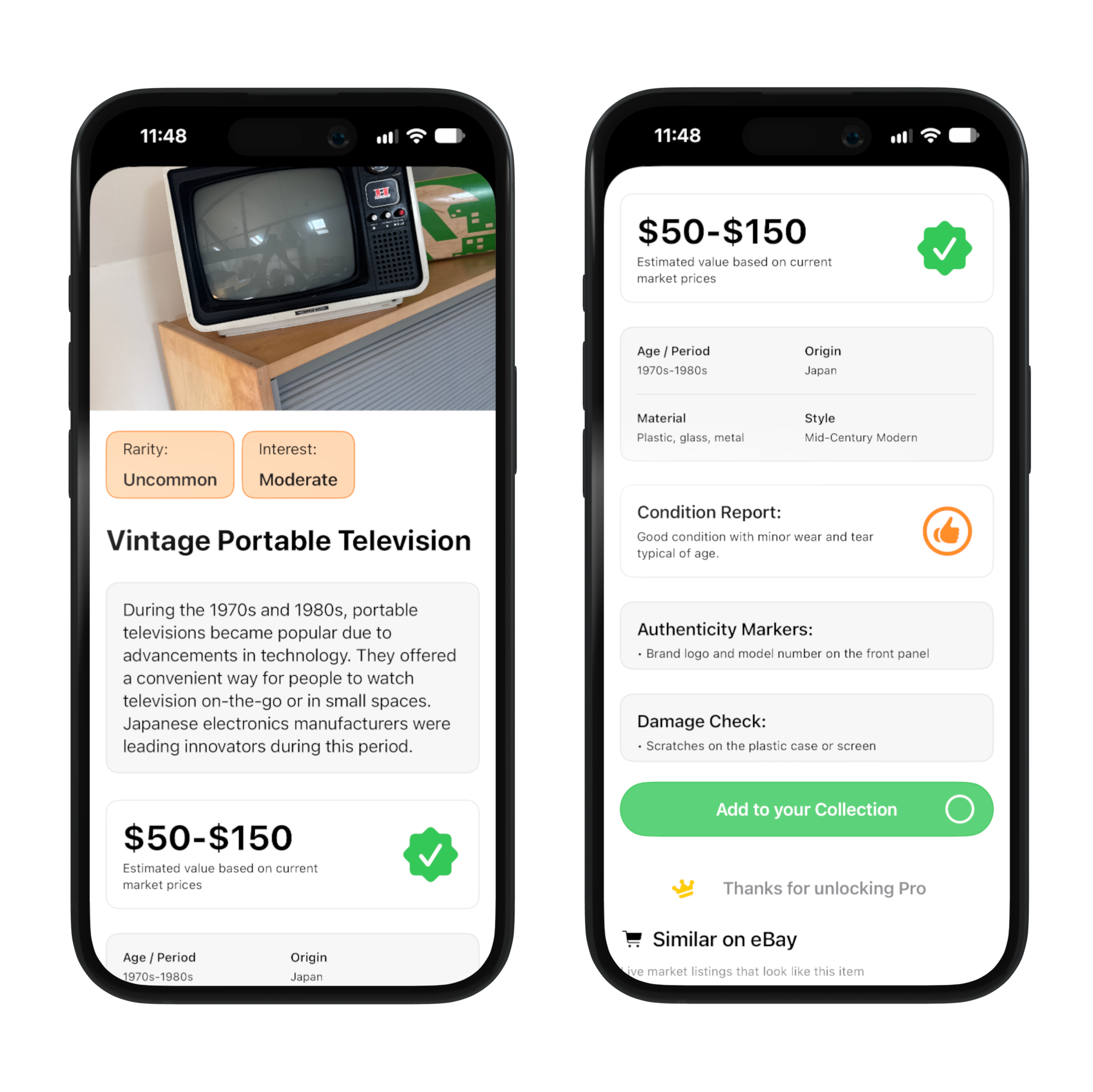
What a sample result looks like
After you photograph the piece, Antique ID returns a structured research summary: likely object type, period clues, and a value range grounded in comparable market signals. The goal is speed and orientation—so you know what to call the item and where to look next.
Important: results are not a certified appraisal. Sale prices still move with condition, provenance, demand and venue. Use the estimate to research, then verify before buying, selling, insuring or settling an estate.
When you find a vase at a flea market, inherit a silver tray, or pull a dusty clock from the attic, the first question is usually the same: what is it, and what might it be worth? Antique ID is built for that moment. Open the app, take a photo, and get a fast identification starting point plus a value range you can use for research—before you buy, list, insure, or dig deeper.
This page is for people who want to identify an antique from a photo without waiting for a shop appointment. Results are honest market-style estimates, not a formal appraisal. Use them to learn, compare, and decide your next step.
Search results for “antique identifier” and “identify antique from photo” are crowded with lookalike claims. Antique ID stays deliberate about what a camera can and cannot prove. A sharp image can reveal form, finish, construction and many marks; it cannot replace hands-on inspection for every repair, nor can it invent paperwork you do not have. That honesty is the point: you get a usable research lead, not a theatrical guarantee. This free antique identifier app combines AI analysis with market data to deliver practical identification results you can trust.
How to photograph for a better ID
Photo quality drives identification quality. Even light, a clean background and a few purposeful angles beat a single blurry snapshot every time. Aim for one full-object shot, then add close-ups of marks, labels, joints and wear. For a deeper walkthrough, see our guide to photographing an antique for identification.

Capture marks and hallmarks
Fill the frame with maker’s marks, silver hallmarks, porcelain backstamps, paper labels and signatures. Soft side light often makes stamped letters readable.

Show the whole object
Stand back enough to include silhouette, proportions and overall style. Avoid heavy filters and extreme wide-angle distortion.

Record wear and patina
Honest wear on edges, feet, hinges and decoration helps separate period pieces from shiny modern reproductions. Pair this with our antique vs reproduction guide.
What Antique ID looks for
Antique ID’s AI reviews visual clues the way a careful researcher would start: what kind of object is this, what materials and construction appear likely, are there marks that point to a maker or assay office, and which era does the style suggest? From those signals it proposes a working identification and a value range drawn from comparable market patterns.
- Type and form — furniture, ceramics, silver, clocks, toys, jewellery and other collectible categories.
- Materials and construction — wood joins, ceramic glazes, metal colour, fasteners and finishing details visible in the photo.
- Marks and labels — hallmarks, factory marks, retailer tags and handwritten notes when they are legible in your shots. Learn more in how to read maker’s marks and hallmarks.
- Style and era cues — silhouette, ornament and design language that place a piece in a plausible period context.
- Comparable value signals — market patterns that inform a research range, not a guaranteed sale price.
Limits matter. A single photo cannot prove provenance, detect every repair, or certify authenticity for legal or insurance work. Rare one-offs, heavily restored items and incomplete mark sets may need human specialist review after the app gives you a starting point. For broader method, read how to identify antiques.
Value range vs appraisal
People often search “what is this antique worth” expecting a single number. Markets do not work that way. Condition, demand, location and selling channel all shift outcomes. Antique ID therefore returns a range for research—useful when you are triaging finds, pricing a listing draft, or deciding whether a specialist visit is worth it.
| Research value range (Antique ID) | Certified appraisal |
|---|---|
| Fast starting estimate from a photo | Formal written opinion by a qualified appraiser |
| Ideal for curiosity, listing research and triage | Required for insurance, tax, estate and many legal uses |
| Based on visual cues and comparable signals | Often includes inspection, comps and documented methodology |
| Not a substitute for professional valuation | Typically paid and scheduled |
Who it’s for
Antique ID suits collectors checking flea-market finds, dealers wanting a second opinion between appointments, and families researching inherited pieces before they decide what to keep, sell or insure. If you already know the category, the app still helps you organise photos, mark clues and a price band. If you know nothing yet, it gives you vocabulary and direction so your next search—or your next conversation with a specialist—is sharper.
It also helps when time is short: house clearances, charity-shop hauls and estate clean-outs produce more objects than you can research one by one in books. A photo-first pass lets you sort “look closer” from “leave for later,” then spend specialist budget where it counts. For category-specific practice, see guides such as identifying valuable 1980s toys from a photo and best antiques to resell.
How to identify an antique from a photo in three steps
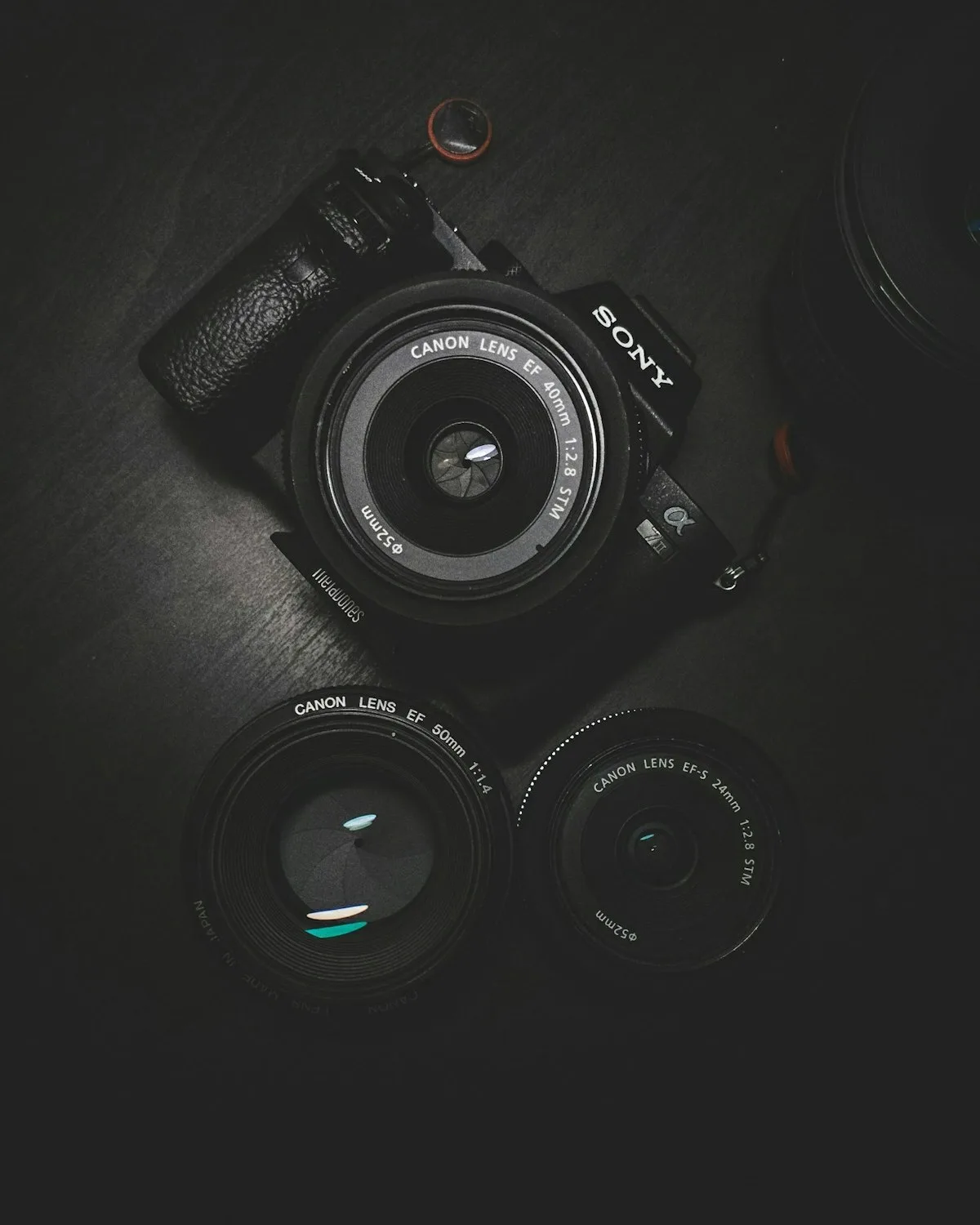
1. Photograph the piece and its marks
Use even light, fill the frame with the object, and add close-ups of maker’s marks, hallmarks, labels, signatures and wear.
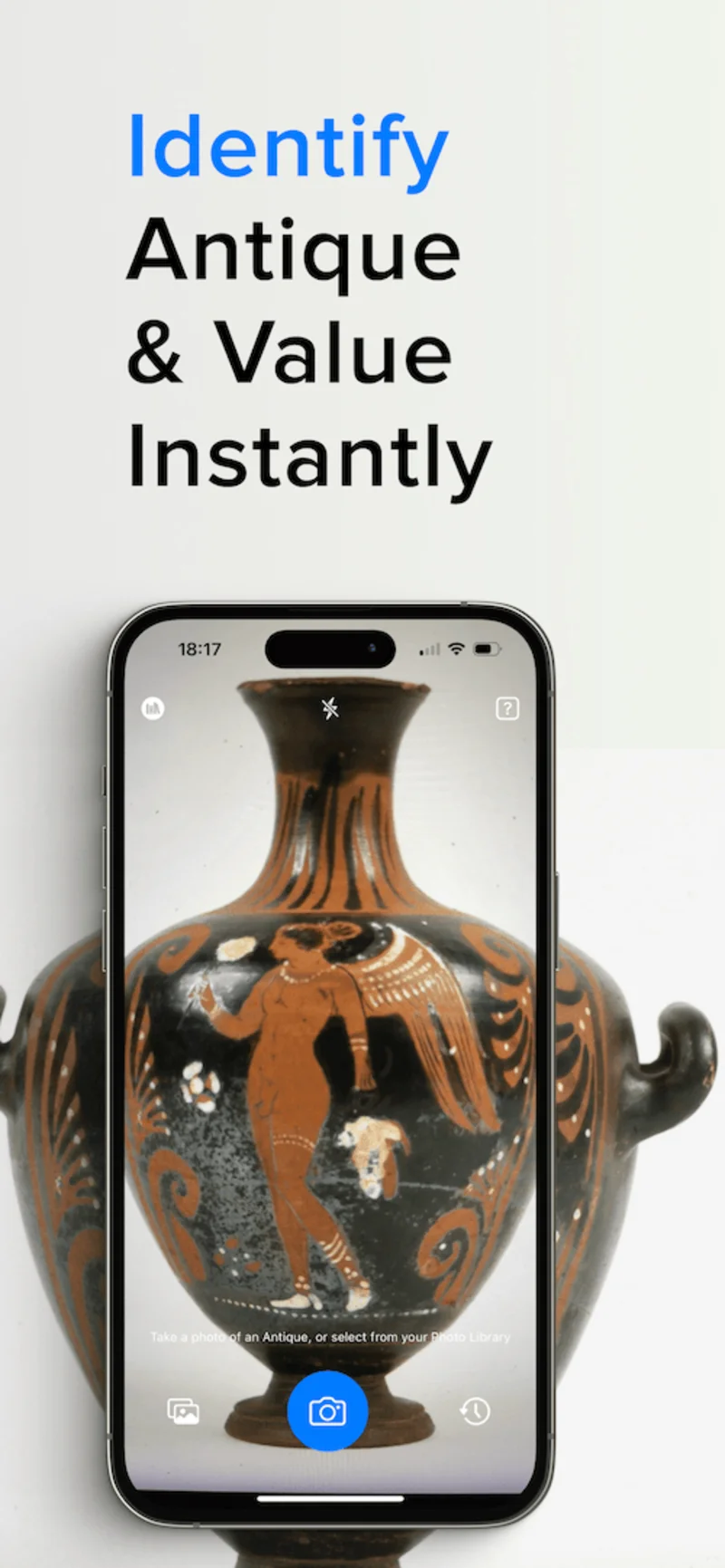
2. Let Antique ID AI read object, marks and era
Open Antique ID on iPhone or iPad. The AI reviews the photo for object type, mark clues and likely era.
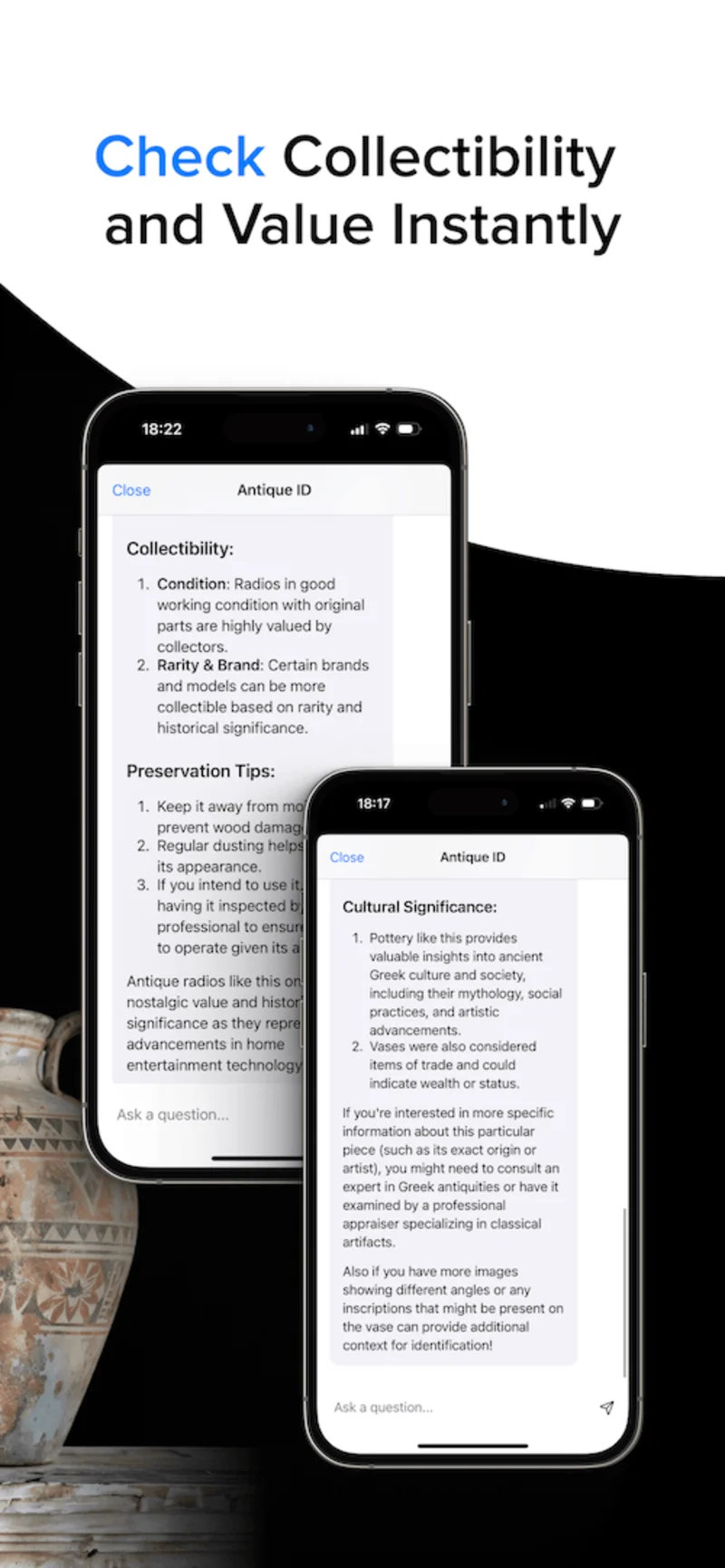
3. Review the value range
Get a research value range based on comparable market signals. Use it as a starting point—not a formal appraisal.
Try Antique ID on the App Store
Want the full product walkthrough? Read how Antique ID works. Stuck on photos or subscriptions? Visit Support.
Related guides
- How to photograph an antique for identification
- How to read maker’s marks and hallmarks
- How to identify antiques
- Antique vs reproduction: how to spot the difference
- Best antiques to resell
- How to identify valuable 1980s toys from a photo
- How it works
- Support
FAQ
Ready to identify an antique from a photo?
Download Antique ID