Published September 4, 2026
Antique vs Reproduction: How to Spot the Difference
Why Antique vs Reproduction Matters Before You Buy or Sell
Estate sales, auction apps, and online marketplaces are full of pieces that look old. Some are genuine antiques with decades or centuries of use behind them. Others are clever reproductions made to echo a popular style. Knowing the difference protects your wallet, your collection, and your reputation if you resell.
You do not need a museum internship to start spotting the gap. You need a habit: look past the surface finish, study how the piece was put together, check wear in the places hands actually touch, and photograph marks clearly. Tools like Antique ID can speed the first pass from a photo—object type, likely period, similar comps—but a photo estimate is not a certified appraisal, and AI cannot swear a piece is authentic in court or for insurance.
This guide focuses on practical field checks you can do in a booth aisle or at a kitchen table. Use them to decide whether to walk away, dig deeper, or get a specialist involved.
Start With Intent: Style Copy or Deceptive Fake?
Not every reproduction is a scam. Furniture factories have made “Colonial,” “Victorian,” and “Art Deco” lines for generations. Many are honest modern pieces sold as style furniture. Problems start when a reproduction is aged artificially and pitched as period—or when a seller is vague about age while pricing as if it were original.
Ask yourself three questions early:
1. What claim is being made? “In the style of” is different from “circa 1880.”
2. Does the price match the claim? Period oak at thrift-store money can be a bargain—or a red flag.
3. Would a clear photo of marks and construction support the story? If the seller will not allow underside or back photos, treat that as information.
Reproductions often win on visual drama: perfect symmetry, glossy “antique” glaze, factory-even distressing. Genuine pieces usually look slightly uneven because people, not robots, made and used them.
Construction Clues Beat Pretty Surfaces
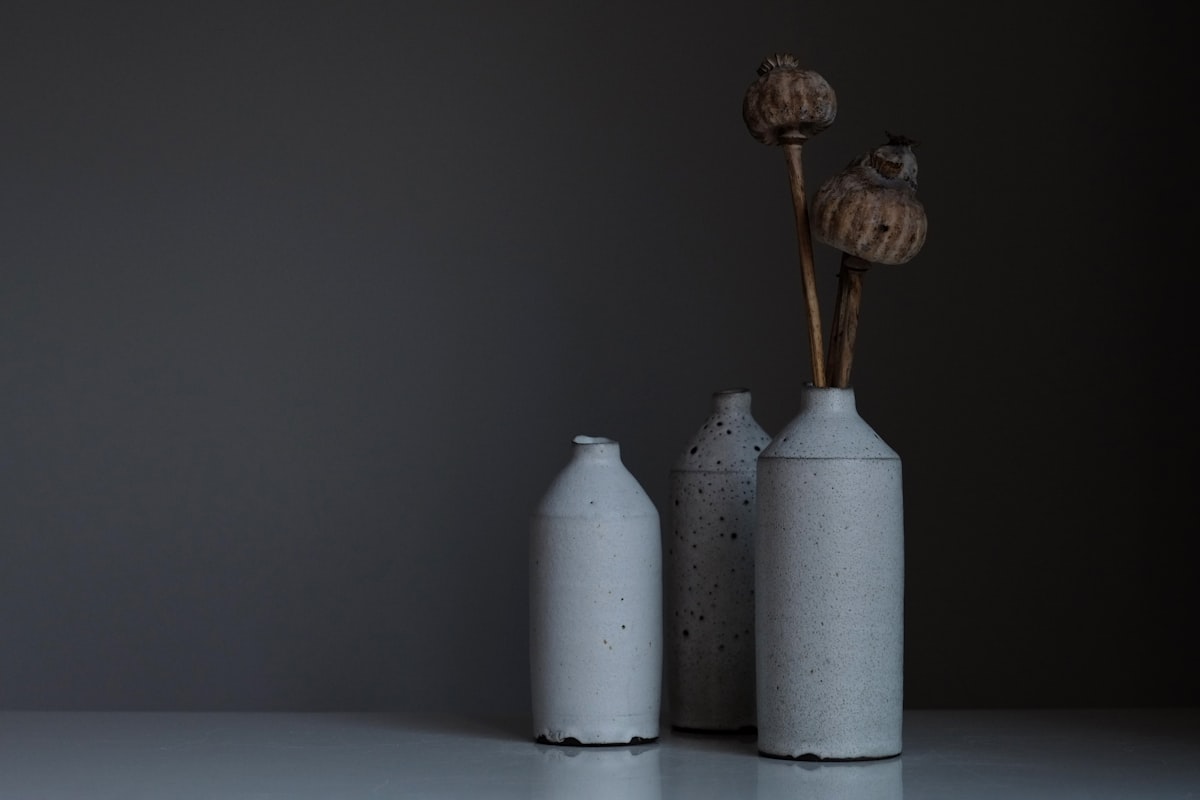
Finish can be stripped, stained, and reinvented. Construction is harder to fake convincingly without spending real money—and fakers who spend that much often leave other tells.
On furniture, look first at joinery. Hand-cut dovetails tend to be slightly irregular; machine dovetails are uniform and often too perfect for the claimed century. Screws and nails have timelines too: modern Phillips-head screws in a “Georgian” drawer are a mismatch. Round wire nails in a piece sold as early nineteenth century deserve skepticism. Older work more often shows cut nails, hand-forged hardware, or wooden pegs depending on period and region.
Turn the piece (or get underneath). Fresh plywood where you expect solid boards, staples in hidden corners, and bright unfinished wood that has never seen decades of air can all argue against age. Conversely, oxidation, dust patterns in unreachable spots, and hardware shadows where pulls used to sit are friendly to an older story.
For ceramics, construction shows up as foot rings, kiln marks, and how the glaze pooled. Modern commercial pottery often has a very even foot and crisp mold seams. Older wares can show throwing rings, uneven glaze at the rim, and wear on the base that matches years of sliding on shelves—not sandpaper circles applied last month.
When you photograph a piece for identification, capture the underside, the back, and any joinery close-ups. Those angles help both your eye and apps like Antique ID more than a single glamorous front shot.
Wear Patterns That Age Cannot Fake Easily
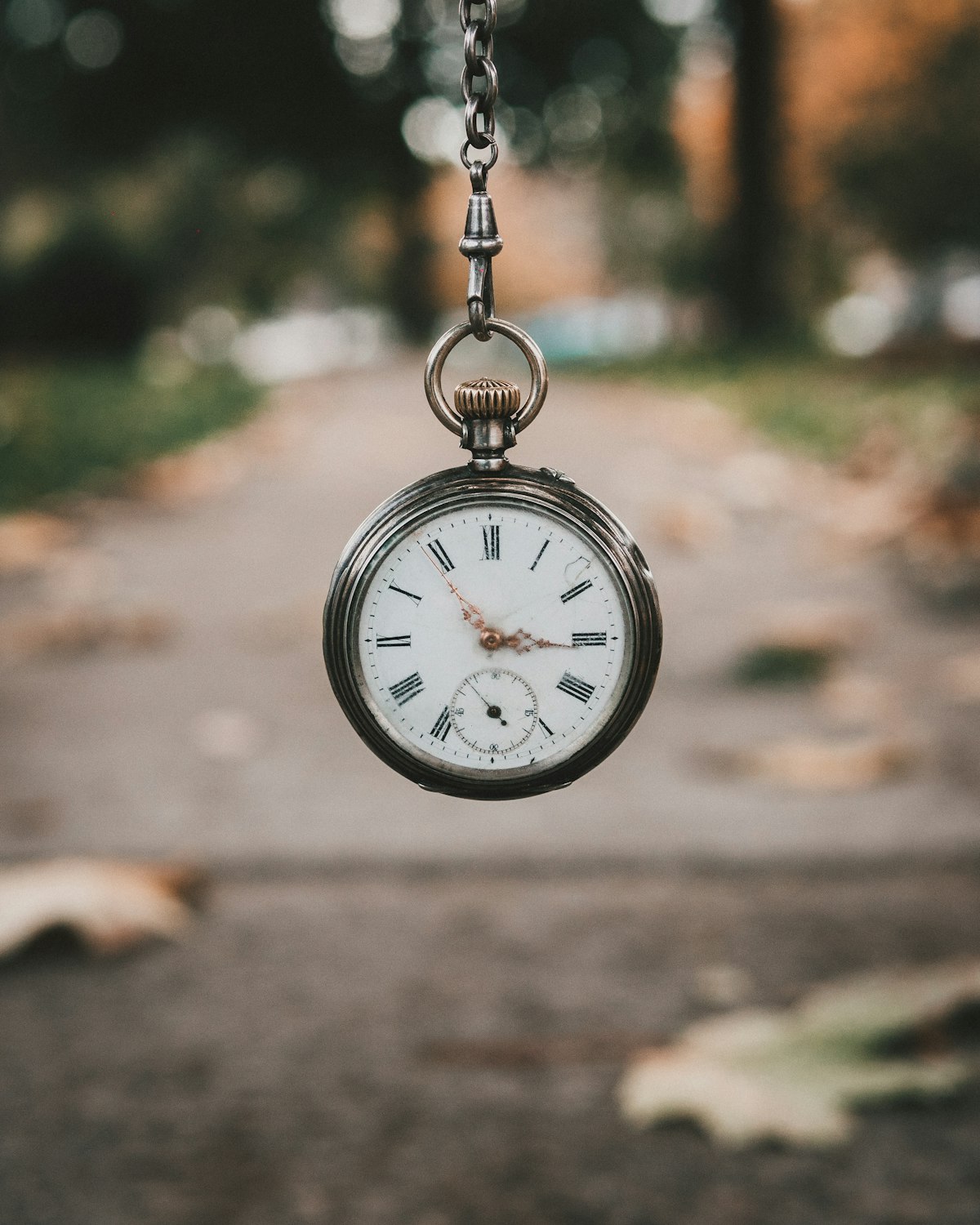
Real age leaves wear where human hands, feet, and daily habits go. Fakers often distress the dramatic spots and forget the boring ones.
On chairs, expect polish and softening on arms, the front of the seat, and stretchers where heels rest. Uniform “wormholes” sprayed across a pristine back panel are less persuasive than irregular insect damage concentrated in softer sapwood. On drawers, runners and the underside of the drawer bottom should show friction; the decorative front may still look surprisingly good.
Silver and silver plate tell stories through thinning on high points, soft rounding on fork tines, and greyish plate wear that reveals coppery base metal. Instant black “patina” in recessed engraving with mirror-bright high points can be chemical aging rather than decades of polishing.
Pocket watches and small metalwork should show consistent tool and handling wear around the bow, case edges, and winding crown—not only decorative scratches on the lid. For glass, base wear rings from decades of table contact beat random scuffing on the decorative face.
None of these alone prove authenticity. Together they form a pattern. A reproduction can mimic one clue; stacking five mismatched clues is harder.
Marks, Labels, and What They Actually Prove
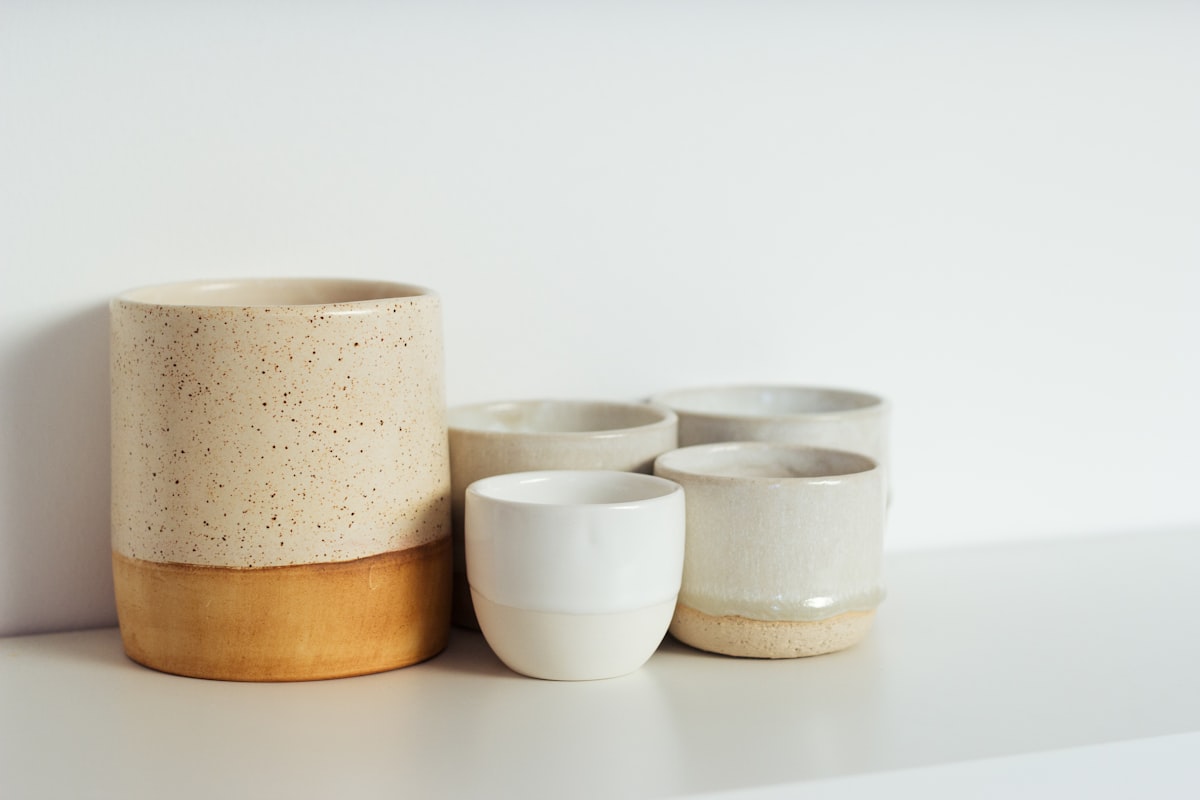
Maker’s marks, hallmarks, paper labels, and stamped model numbers are powerful—when they are legible, period-appropriate, and attached the way that maker actually marked goods.
Photograph marks square-on with raking light so stamped letters cast a tiny shadow. Then ask: does this mark belong on this category of object? Does the font and method (impressed, painted under glaze, paper label) match known practice? Reproductions sometimes recycle famous names, invent “registry” numbers, or add a convincing-looking stamp to a factory blank.
Absence of a mark is not proof of fake. Many honest antiques were unmarked, and labels fall off. Presence of a famous mark is not automatic proof either—marks are among the most forged details in the trade.
Cross-check what you see against style and construction. A “Chippendale” paper label on particleboard is comedy. A crisp modern laser-etched hallmark on soft, heavily worn silver needs a second look. For more on reading age and marks in context, see our guide to how to identify antiques.
If you only have a phone, a sharp mark photo plus an overall shot is still a strong start for research or an Antique ID scan. Just remember: the app returns educational identification and a value range based on visible cues and comparable data—not a legal authentication certificate.
Materials and Proportions That Break the Illusion
Materials have eras. Plastic laminates, zinc alloys pretending to be bronze, and modern plywood cores can hide under convincing veneers. Tap metal: solid castings and hollow spun forms sound different, and weight in the hand often disagrees with a photo alone—another reason in-person checks still matter for high-stakes buys.
Proportions matter too. Many reproductions shrink or stretch a classic form to fit modern rooms or shipping cartons. Chair backs that look “almost right,” drawer depths that feel toy-like, or hardware that is oddly oversized for the stile are subtle tells once you have handled a few genuine examples.
Color can mislead. New walnut stain on new wood can look richer than a true 120-year-old surface that has faded in sunlight. Ultraviolet damage, tobacco residue, and oxidized finishes are uneven; factory antique glaze is often evenly “dirty” everywhere, including places that never get dirty.
A Practical Field Checklist
Use this sequence when you have two minutes with a piece:
Step 1 — Claim vs price. Write down (mentally) what the seller implies about age and what they want.
Step 2 — Structure. Joinery, fasteners, secondary woods, underside, backboards.
Step 3 — Wear map. High-touch zones versus decorative zones; look for artificial uniformity.
Step 4 — Marks. Find them, photograph them clearly, do not assume they settle the case.
Step 5 — Materials. Weight, magnetism where relevant, veneer edges, plastic or composite tells.
Step 6 — Photo pack. Overall, sides, underside, marks, and any repairs. Good photos also help later if you photograph antiques for identification at home with better light.
Step 7 — Decide the next move. Walk away, negotiate as decorative, research overnight, or consult a specialist for insurance-level decisions.
When Photo ID Helps—and When to Call a Human
Photo identification shines when you need a fast first pass: “What is this category and period likely to be?” and “Is the asking price in a sensible ballpark?” That is exactly where Antique ID is useful—snap the piece, review the suggested identification and market range, then choose your next step.
Photo ID is weaker when authenticity is the whole product: high-value signatures, museum-grade furniture, gemstones, and anything headed for insurance, probate, or major resale. Those cases still deserve a qualified appraiser or category specialist who can handle weight, tool marks under magnification, and provenance paperwork.
If you plan to sell after you confirm what you have, match the piece to the right channel—local auction, specialist dealer, or general marketplace—using something like our overview of reselling platforms and profit strategies.
Honest Expectations Keep Collections Healthy
Reproductions are not automatically worthless. Many are well made, decorative, and perfectly fine to own at the right price. The damage happens when age is assumed instead of checked. Train your eye on construction and wear, photograph marks carefully, and treat AI value ranges as a research starting point—not a certificate.
Do that consistently and you will buy fewer expensive mistakes, keep more of the pieces that deserve a place in your home, and walk into the next estate sale with a clearer head.
Identify antiques instantly with AI
Use the Antique ID app to photograph items, uncover their history, and estimate value before you buy or list them for sale.
Download Antique IDRelated articles
- How to Identify Antiques: Expert Tips to Recognize True Value Learn to read wear patterns, understand historical construction techniques, and decode maker's marks to authenticate antiques like a pro.
- How to Photograph an Antique to Identify & Value It Discover expert photography techniques to capture antiques for accurate identification—from lighting and angles to hallmarks that unlock value ranges.
- 7 Best Platforms to Resell for Profit in 2025 Compare eBay, Amazon, Poshmark, and other top marketplaces, plus pro tips to maximise margins on your vintage and collectible finds.