Published September 8, 2026
How to Read Maker's Marks & Hallmarks: A Beginner's Guide
Why Maker's Marks and Hallmarks Still Matter
A crisp mark will not invent provenance out of thin air, but it can turn a vague “old silver spoon” into a named maker, a city, or a date window. Collectors, dealers, and careful buyers use marks the same way detectives use fingerprints: as one strong clue among several.
Marks live in different languages depending on the material. British silver often carries a set of hallmarks for purity, assay office, and date. Continental silver may use different purity numbers. Porcelain factories stamped or painted underglaze symbols. Furniture makers branded, stamped, or labelled pieces—sometimes only on a drawer bottom you never see in a listing photo.
When you identify an antique from a photo, clear mark images are your strongest asset. Tools like Antique ID speed the first pass when you can show a clear mark photo alongside the whole object. The app can suggest what you are looking at and a market value range. That is research help, not a certified appraisal, insurance valuation, or courtroom authentication.
Start With the Right Question
Before you squint at tiny letters, ask what claim the mark is being asked to support. Are you dating the piece, naming a factory, checking silver purity, or spotting a reproduction that borrowed a famous name?
Those goals need different evidence. A date letter on sterling is powerful for chronology. A paper furniture label helps with retail history but can be swapped. A famous porcelain mark on a body that does not match that factory’s clay and glaze is a warning, not a trophy.
Write down (even mentally) the seller’s story and price. Then hunt for marks that either support that story or quietly disagree with it. For broader authentication habits—wear, construction, materials—see our guide to how to identify antiques.
Where Marks Hide on Common Antiques

Silver flatware and hollowware: check the reverse of stems, the underside of bowls and bases, inside lids, and near hinges. Hallmarks are often tiny and worn shiny from polishing.
Porcelain and pottery: look on the base, inside the foot ring, and occasionally under lids or on the reverse of plaques. Underglaze marks sit beneath the glaze; overglaze marks sit on top and can wear away. Factory marks, pattern numbers, and decorator marks can all appear on one piece.
Furniture: open drawers and look at bottoms and sides; check the backboards, underside of tabletops, seat rails, and behind mirrors. Brands and stamps may be shallow. Paper labels prefer dark corners and fall off—absence of a label is not proof of a fake.
Clocks, watches, jewellery, and bronzes each have their own mark neighbourhoods: movements, case backs, clasps, and foundry stamps. If you only photograph the pretty face, you are throwing away the page where the signature usually lives.
How to Photograph Marks So They Stay Readable
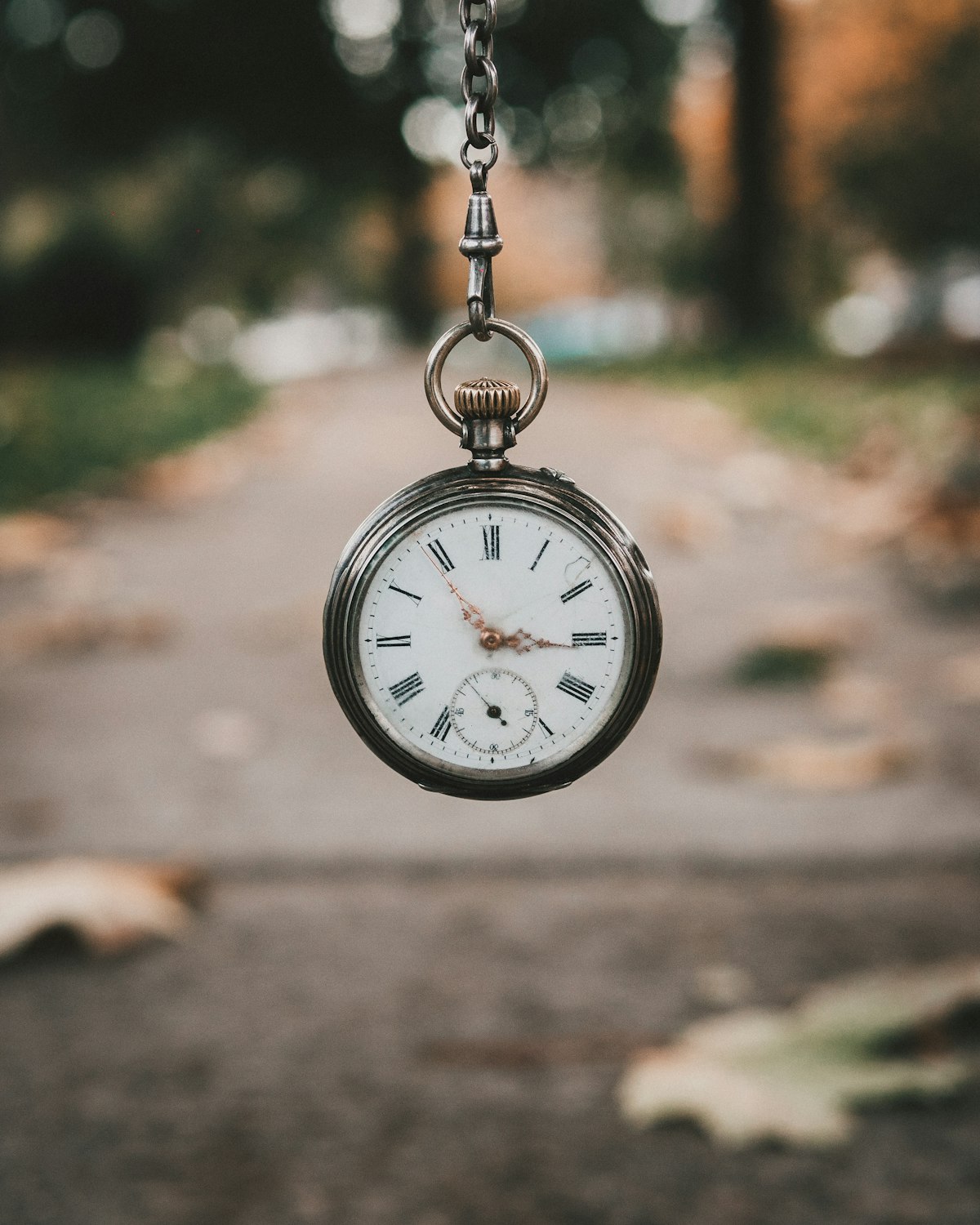
Identification fails more often from bad mark photos than from exotic makers. Fill the frame with the mark. Use raking light—a small torch at a low angle—so stamped letters cast a shadow. Tap to focus on the mark itself. Take several shots with slightly different angles.
Include one wider shot that shows where the mark sits on the object. Context stops you (and any AI helper) from mistaking a repairer’s scratch for a factory stamp. For lighting and multi-angle packs, follow how to photograph an antique for identification.
When you are ready for a fast read, open Antique ID, add the overview and the mark close-ups, and review the suggested identification and value range. Treat the range as a ballpark for buying, keeping, or researching further—not as a formal appraisal document.
Reading Silver Hallmarks Without Memorising Every Book
On many British sterling pieces you will see a purity mark (such as the lion passant in England), an assay office symbol, a date letter, and often a maker’s mark in a shield. Scottish and Irish systems differ. Continental silver may show fineness as 800, 835, or 925, sometimes with town marks. For a detailed guide to photographing and interpreting these marks, see how to identify antique silver hallmarks from a photo.
You do not need to memorise every date letter chart on day one. You do need to notice whether the set looks coherent: same wear level, same style of punch, no frank modern fonts on a supposedly Georgian spoon. Soft, heavily worn silver with a razor-sharp modern laser-ish mark deserves scepticism.
Plate and EPNS pieces can still be desirable, but they are not solid silver. Marks that say plate, EP, or EPNS are honest clues—read them instead of wishing them away.
Porcelain and Pottery Marks: Factory, Decorator, and Fantasy
Factory marks help place production. Decorator marks and retailer marks can sit beside them. Some famous names were copied for decades; “blue mark” debates are a cottage industry for a reason.
Cross-check the mark against the paste, glaze, foot, and weight of the piece. A glamorous mark on a body that feels wrong for that maker is how reproductions earn their keep. Compare with style and construction, and with what you learn when spotting antique versus reproduction tells.
Furniture Stamps, Brands, and Labels
Cabinetmakers and factories used brands, ink stamps, metal tags, and paper labels. Department-store labels speak to retail channels more than to the bench maker. A Chippendale-style chair with a twentieth-century store tag can still be a fine chair—just not an eighteenth-century one.
Look for consistency: does the secondary wood, joinery, and hardware match the period the stamp implies? Phillips screws and plywood under a “Regency” story are louder than any inked name.
When Marks Conflict With Style or Construction

Trust the stack of evidence. Marks are forged more often than dovetails. If the mark is perfect and everything else is wrong, believe everything else. If the mark is absent but construction, wear, and materials agree, you may still have an honest unmarked antique.
Repairs complicate reading: replaced drawers, re-footed silver, and re-marked porcelain exist. Photograph repairs separately so you do not fold them into the identity story by accident.
A Practical Field Checklist for Marks
1. Claim. What age, maker, or purity is being implied?
2. Hunt. Check the usual hideouts for that category before you leave the booth.
3. Light. Raking light for stamps; even light for painted marks.
4. Photo pack. Overview, mark close-up, and location context.
5. Cross-check. Style, construction, materials, and wear—not the mark alone.
6. Decide next step. Walk, negotiate as decorative, research overnight, or get a specialist for high-stakes pieces.
How Antique ID Fits—and Where Humans Still Win
Photo identification is strongest when marks are legible and the object category is clear. That is where Antique ID earns its keep: snap, review the suggested ID and comps-inspired range, then choose your move.
Humans still win for high-value authenticity fights, insurance schedules, probate, and anything where a wrong call is expensive. Bring a specialist when the mark is the whole product—signed bronzes, museum-grade silver, or gemstones—or when photos cannot show weight and tool feel.
Honest Expectations Keep Collections Healthy
Marks are powerful clues, not magic certificates. Learn where they hide, photograph them so letters stay sharp, and read them against the rest of the object. Ready to put this into practice? Identify an antique from a photo with clear mark images using Antique ID—get a suggested identification and value range in seconds. Use AI value ranges as a fast research layer, then escalate when the stakes demand it. That habit protects your budget and keeps the thrill of the hunt from turning into expensive fiction.
Identify antiques instantly with AI
Use the Antique ID app to photograph items, uncover their history, and estimate value before you buy or list them for sale.
Download Antique IDRelated articles
- How to Identify Antiques: Expert Tips to Recognize True Value Learn to read wear patterns, understand historical construction techniques, and decode maker's marks to authenticate antiques like a pro.
- How to Photograph an Antique to Identify & Value It Discover expert photography techniques to capture antiques for accurate identification—from lighting and angles to hallmarks that unlock value ranges.
- Antique vs Reproduction: How to Spot the Difference Practical clues that separate genuine antiques from modern reproductions—joinery, wear, marks, materials—and how a clear photo helps you decide what to buy, keep, or skip.