Published September 22, 2026
How to Identify Antique Porcelain and China Marks From a Photo
Why Porcelain and China Marks Matter for Identification
A tiny mark on the base of a plate or teacup can turn “pretty old china” into a named factory, a production year, and a clearer picture of market value. Collectors, dealers, and auction houses treat porcelain marks as one of the strongest identification clues—provided the mark matches the body, glaze, form, and decoration of the piece itself.
Marks on porcelain come in many languages: impressed stamps, printed transfers, hand-painted symbols, and incised signatures. European factories like Meissen, Worcester, and Limoges each developed their own systems. Japanese and Chinese export porcelain added another layer of symbols, reign marks, and artist seals. Later British and American potteries created date codes and pattern numbers that unlock production windows down to the month.
Photo identification tools like Antique ID help with the first pass when you can show a clear mark alongside the whole piece. The app can suggest what you are looking at and a market value range. That is research help, not a certified appraisal, insurance valuation, or courtroom authentication.
The challenge is discipline. A photo that crops the body or skips the footrim leaves out half the evidence. A blurry mark image forces guesswork. This guide walks through where marks hide, how to photograph them so details survive, what the common mark styles tell you, and when reproductions borrow famous names to mislead buyers.
Where Marks Hide on Porcelain and Pottery
Most factory marks live on the base, inside the footrim, or under a lid. Turn the piece over and look for printed, painted, or impressed stamps. Footrims often protect marks from table wear, so a rubbed base may still carry a crisp underglaze mark inside the ring.
Lids, finials, and handles can carry secondary marks—especially painter or gilder numbers. Check the inside rim of lids and the underside of handles where they meet the body. Some factories marked components separately to track batch assembly or quality control.
Plaques, wall plates, and decorative chargers sometimes place marks on the reverse back panel or around the hanging hole. Export porcelain occasionally hides marks under felt pads or paper labels added by importers or retailers. Peel back liners carefully if the piece is yours; if you are previewing an auction lot, photograph what is visible and note that a liner may cover more text.
Larger objects like vases and tureens may include mould marks, potter’s signatures scratched into wet clay, or decorator initials painted near the base. Those clues sit outside the formal factory mark but still help with attribution and dating.
Photographing Marks So the Details Survive
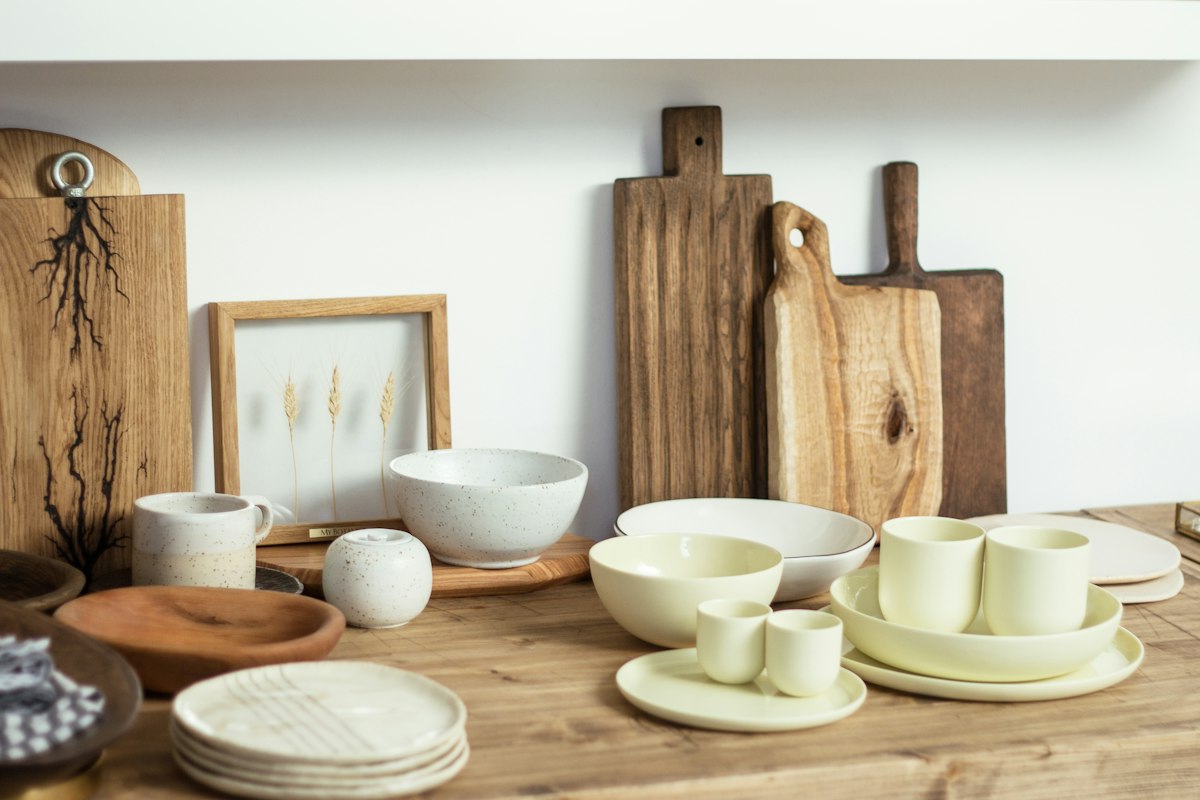
Identification succeeds or fails on mark clarity. Place the piece on a plain background—white paper or a neutral surface—so the mark stands out. Use natural daylight or a diffused lamp; avoid harsh shadows or flash glare that drown fine lines.
Fill the frame with the mark itself. Printed marks need enough resolution to read tiny text: country of origin, pattern names, registration numbers. Hand-painted marks need colour fidelity so you can tell cobalt blue from iron red. Tap your phone camera to focus directly on the mark before you shoot.
Take at least two mark photos: one straight-on and one at a slight angle to show whether the mark sits under the glaze (underglaze) or on top of it (overglaze). That difference matters. Underglaze marks are harder to fake and suggest factory application before final firing. Overglaze marks can be original decorator stamps or later additions—sometimes honest retailer labels, sometimes modern forgeries.
Include a wider shot that shows where the mark lives on the object and captures the footrim, glaze pooling, and any stilts or firing scars. Context stops you from mistaking a kiln-shelf mark for a factory stamp. For lighting and multi-angle discipline, follow the habits in how to photograph an antique for identification.
When you are ready for a fast read, open Antique ID, add the overview and the mark close-ups, and review the suggested identification and value range. Treat the range as a starting point for buying, keeping, or researching further—not as a formal document for insurance or legal disputes.
Country and Factory Mark Styles: A Practical Field Guide
You do not need to memorise every backstamp on day one, but recognising a few common patterns helps you move faster at fairs and estate sales.
Meissen (Germany): The crossed swords mark is one of the most copied in porcelain history. Early Meissen swords are hand-painted in underglaze blue and often sit inside the footrim. Later versions add dots, stars, or incised numbers. Check the paste, glaze, and form against known Meissen characteristics—soft, bright glaze and precise potting—before you trust the swords alone.
Worcester (England): Early Worcester used workmen’s marks, crescents, and pseudo-Chinese symbols. The printed “Royal Worcester” mark with a crown appeared later. Date codes with dots and letters let you pinpoint production years. A clear Worcester mark on a heavy, clumsily potted piece is a warning sign.
Limoges (France): Many factories operated in Limoges, so marks vary widely. Look for “Limoges France” or specific factory names like Haviland or Bernardaud. Whiteware blanks were sometimes shipped unmarked to decorators in other countries; a Limoges mark plus a New York decorator stamp is a common pairing on American-market pieces.
Blue Willow and Staffordshire transferware: Transfer-printed earthenware carries maker names, pattern titles, and sometimes registration diamonds or numerals. English transferware often says “England” or “Made in England” depending on the date. American imports after 1891 required country marks; absence of one can suggest earlier production or home-market sales.
Japanese export porcelain: Pieces made for Western markets between the 1860s and 1920s often carry “Nippon” (pre-1921) or “Japan” and “Made in Japan” (post-1921) marks. Hand-painted Satsuma-style wares may include artist signatures or fake reign marks. Quality varies wildly; the mark alone does not guarantee value.
For broader context on reading marks across materials, see our guide to how to read maker’s marks and hallmarks.
Impressed, Printed, and Painted: How Marks Were Applied
Impressed marks are stamped into wet clay before firing, leaving a shallow relief. They are hard to fake convincingly because they require the right paste consistency and tool pressure. Look for clean edges and consistent depth.
Printed marks use transfer techniques: inked tissue applied to the piece, then fired. These marks can be sharp or smudged depending on quality control. Colours vary—cobalt blue, iron red, brown, green, black—and each factory had preferences.
Hand-painted marks sit under or over the glaze. Underglaze marks were applied before the final glaze coat and firing, so they feel smooth. Overglaze marks were added after glazing, sometimes by decorators or retailers, and can wear off with scrubbing or age. Test gently with a fingernail; overglaze marks may feel slightly raised or have a different sheen.
Incised marks are scratched into leather-hard clay with a stylus. They are often artist signatures or batch codes rather than official factory stamps. They are difficult to add after firing, so a crisp incised date or initial is usually original.
Dating Clues: Registry Marks, Pattern Numbers, and Decorator Signatures
British ceramics made between 1842 and 1883 sometimes carry a diamond-shaped registry mark. The arrangement of letters and numbers inside the diamond tells you the exact registration date—day, month, and year. After 1884, a simpler “Rd No” number replaced the diamond. Those numbers are indexed, and lookup tables are free online.
Pattern numbers and shape codes appear beside or below factory marks. They help narrow production to specific product lines or decades. Some factories published pattern books; others kept internal records. Cross-reference pattern numbers with collector databases or factory histories when the number is legible.
Decorator signatures and painter marks add another layer. A piece may carry a factory mark plus a gilder’s initial or a freehand artist signature. These clues help establish provenance and, occasionally, premium value for signed work by known decorators. Photograph them as carefully as the main mark.
Country-of-origin marks tell legal stories. “England” alone suggests production after 1891 but before World War I. “Made in England” usually means interwar or later. “Occupied Japan” narrows the window to 1947–1952. “China” or “Made in China” on export porcelain helps with tariff-law dating. Those small words are powerful chronology tools.
Red Flags: Modern Reproductions and Fantasy Marks

Famous marks attract forgers. Crossed swords, Worcester crescents, and Sèvres double-L marks have been copied for over a century—sometimes as honest homage, sometimes as deliberate fraud. Always read the mark against the paste, glaze, weight, potting quality, and decoration.
Soft, soapy paste with a suspiciously crisp modern mark is a classic tell. Overglaze marks that look laser-sharp while the body shows heavy age are another warning. Transfer-printed marks with pixelated edges or misregistered colours did not exist before digital printing became common in the 1980s.
Fantasy marks are invented symbols that evoke old factories without copying them exactly. They appear on decorative reproductions sold as décor rather than as collectibles. If the mark looks vaguely “antique” but you cannot find it in any reference, treat the piece as modern decorative unless other evidence proves otherwise.
Fake reign marks on Chinese porcelain are a minefield. Many twentieth-century pieces carry four- or six-character marks that reference famous emperors. That is not always fraud—marking a piece with an earlier reign was a traditional form of respect—but it means the mark alone cannot date the object. Compare paste, glaze, potting, and painting style against known examples from the claimed period.
Cross-check everything. For broader habits on spotting reproductions across categories, see our guide to telling antique versus reproduction apart.
A Practical Photo Checklist for Porcelain Identification
1. Claim. What factory, country, or period is being implied by the mark or the seller?
2. Overview. Full shot of the whole piece—shape, decoration, size, and condition.
3. Mark hunt. Turn the piece over, check the footrim, lids, and handle junctions.
4. Mark close-ups. Straight-on and angled shots showing whether the mark is under or over the glaze.
5. Context. Photograph the footrim, any firing scars, glaze pooling, and paste colour where visible.
6. Cross-check. Does the paste, glaze, weight, and decoration match what the mark claims?
7. Decide next step. Walk, negotiate as decorative, research overnight, or bring a specialist for high-stakes or disputed pieces.
How Antique ID Fits Into Porcelain Research
Photo identification is strongest when marks are legible and the object category is clear. That is where Antique ID earns its keep for estate previews, flea markets, and attic finds: snap a disciplined set, review the suggested ID and comps-inspired value range, then choose your next move.
Humans still win for museum-quality porcelain, insurance schedules, attribution fights, and any situation where a wrong call is expensive. Bring a specialist when the mark is contested, when provenance paperwork is required, or when photos cannot convey weight, translucency, and the ring of hard-paste versus soft-paste bodies.
Use AI ranges as a fast research layer—not as a substitute for due diligence on life-changing purchases. For reselling strategy after you know what you have, our guide to the best antiques to resell covers platform choice, shipping risks, and when to escalate to specialist auction houses.
From Mark Photo to Informed Decision
Porcelain and china marks are powerful identification clues when you photograph them clearly, understand where they hide, and cross-check them against the paste, glaze, and decoration of the whole piece. Factory stamps, pattern numbers, registry marks, and decorator signatures each tell part of the story. Reproductions and fantasy marks tell a different story—one that disciplined evidence gathering helps you spot before you buy.
Start with a clear mark photo pack: base, footrim, lids, and any incised or painted signatures. Use natural light and fill the frame. Run the set through Antique ID for a fast identification and value range, then remember the rule that protects collections and budgets: estimates are research tools, not certified appraisals.
Do that consistently and the porcelain market becomes navigable. You will walk past modern transfer-printed décor with confidence, pause for crisp underglaze factory marks on well-potted forms, and know when a glamorous backstamp needs more proof than a single photo can provide.
Identify antiques instantly with AI
Use the Antique ID app to photograph items, uncover their history, and estimate value before you buy or list them for sale.
Download Antique IDRelated articles
- How to Read Maker's Marks and Hallmarks on Antiques A practical field guide to finding and reading maker's marks and hallmarks—plus how a clear mark photo helps Antique ID suggest what you have and a value range.
- How to Photograph an Antique So You Can Identify It (and Get a Value Range) Discover expert photography techniques to capture antiques for accurate identification—from lighting and angles to hallmarks that unlock value ranges.
- Antique vs Reproduction: How to Spot the Difference Practical clues that separate genuine antiques from modern reproductions—joinery, wear, marks, materials—and how a clear photo helps you decide what to buy, keep, or skip.
- How to Identify Antiques: Expert Tips to Recognize True Value Learn to read wear patterns, understand historical construction techniques, and decode maker's marks to authenticate antiques like a pro.
- 7 Best Platforms to Resell for Profit in 2025 Compare eBay, Amazon, Poshmark, and other top marketplaces, plus pro tips to maximise margins on your vintage and collectible finds.