Published October 9, 2026
How Much Is My Antique Painting Worth? Value Factors, Price Guides and Expert Tips
Disclaimer: This article provides general guidance for researching antique painting values. It is not a substitute for a professional appraisal. Always consult a certified appraiser for insurance, estate, or sale purposes.
You've inherited a dusty old painting, discovered one at a thrift store, or found a gilt-framed landscape tucked in your attic. The question immediately arises: how much is this actually worth?
Antique painting values can range from almost nothing to millions of dollars, and the difference often hinges on factors invisible to the untrained eye. In this guide, you'll learn exactly what determines the value of an old painting—artist attribution, provenance, condition, medium, subject matter, age, and market demand—plus how to research values yourself and when a professional appraisal is worth the investment.
Quick Value Checklist: What Increases an Antique Painting's Worth
Before diving into the details, here's what typically makes an antique painting more valuable:
- Known artist: Works by recognized, listed artists command significantly higher prices than unsigned or unknown works
- Provenance: Documented ownership history, especially connections to notable collectors, galleries, or exhibitions
- Condition: Minimal damage, no significant overpainting, stable canvas and stretcher
- Medium: Oil on canvas typically values higher than prints, watercolors, or decorative works
- Subject: Certain subjects (portraits, genre scenes, maritime) are more desirable than others (still lifes, generic landscapes)
- Age: Pre-1900 works often carry historical premium, but mid-century modern art is also strong
- Size: Medium-to-large works (20"×30" and up) usually sell better than miniatures or very large pieces
- Market demand: Current collector interest in the style, period, or artist
Now let's break down each factor and how to research them from a photo.
Artist Attribution: The Single Biggest Value Factor
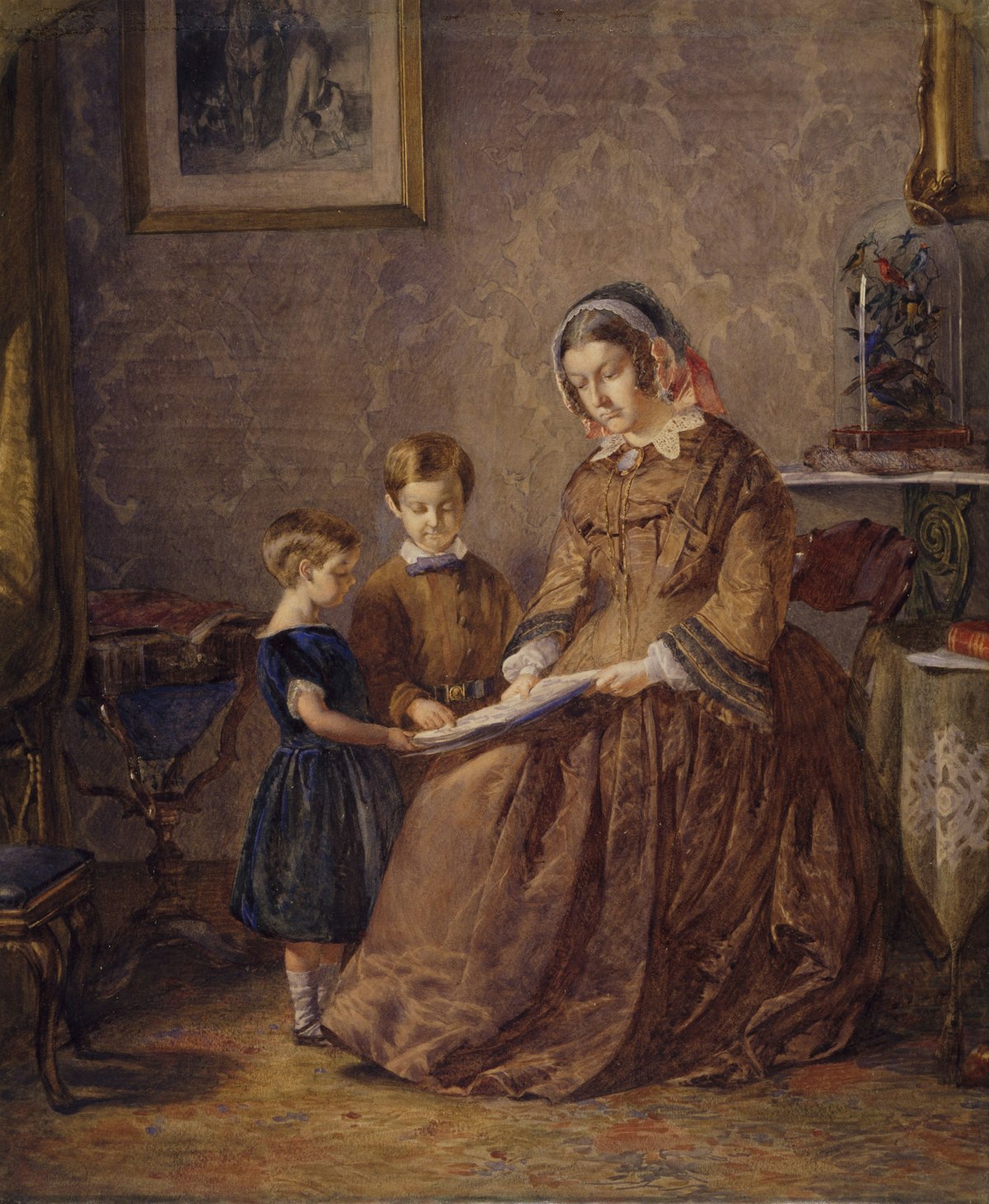
The artist's identity is the single most important element in painting valuation. A signed work by a recognized, "listed" artist—one whose auction records are documented in price databases—can be worth 10× to 100× more than an unsigned painting by an unknown hand, even if the aesthetic quality is similar.
Finding and Deciphering the Signature
Artist signatures are usually located in the lower left or right corner of the canvas, but they can also appear on the reverse, along the edge, or integrated into the composition itself. When photographing your painting for identification, capture:
- The full front of the painting in good, even light
- A close-up of the signature (if present)
- The reverse, showing any labels, stamps, or inscriptions
- The frame edges and any gallery or auction stickers
Signatures can be difficult to decipher. Artists may sign with initials, monograms, pseudonyms, or partially legible cursive. If you can make out even a few letters, use these free artist signature databases:
- AskART.com: Large North American artist database with signature examples
- Benezit Dictionary of Artists: Available at many libraries; comprehensive international listings
- Findartinfo.com: Searchable signature archive
- Artists' Signatures: Free online signature reference at artist-signatures.com
Once you identify the artist, search for them in auction databases (more on that below) to see if their works have sold recently and at what prices.
Unsigned Paintings: Not Necessarily Worthless
Many antique paintings are unsigned. This could mean:
- It's a student work, copy, or decorative piece never intended for the market
- The signature has worn off or been removed during cleaning
- The artist was a hobbyist or lesser-known regional painter
- It's an older work from an era when signing was less common
Unsigned paintings can still have value based on age, quality, subject, and provenance, but attribution becomes much harder without expert stylistic analysis.
Tip: Use Antique ID to upload photos of the signature and painting; AI-assisted identification can suggest possible artists or similar works, giving you research leads.
Provenance and Exhibition History

Provenance—the documented history of a painting's ownership—adds significant value and authenticity. A painting with clear provenance is easier to authenticate, less likely to be a forgery, and more desirable to collectors and institutions.
What Counts as Good Provenance?
- Gallery labels: Stickers or stamps on the reverse from reputable galleries
- Exhibition history: Labels or documentation showing the work was exhibited in museums or juried shows
- Auction records: Prior sale at a recognized auction house (Christie's, Sotheby's, regional auctioneers)
- Bills of sale or receipts: Original purchase documentation, especially from the artist or primary dealer
- Notable previous owners: Connection to a known collector, estate, or historical figure
- Artist estate records: Inclusion in a catalogue raisonné or official registry
Even a single verifiable link in the provenance chain can increase value by 20–50%. Unbroken provenance back to the artist is the gold standard.
Red Flags: Weak or Suspicious Provenance
- No documentation at all ("my grandmother said...")
- Vague or untraceable previous owners
- Recent appearance on the market without history
- Inconsistent or contradictory ownership claims
These don't necessarily mean the painting is fake, but they lower buyer confidence and market value.
Condition: How Damage Affects Value
Condition is critical. A painting in excellent original condition will always outperform a damaged or heavily restored work, sometimes by 50% or more.
What Collectors Look For
- Stable canvas: No tears, punctures, or detachment from the stretcher
- Original paint surface: Minimal craquelure (fine cracking is normal in oil paintings), no flaking or loss
- No overpainting: Later additions or touch-ups reduce value unless done by a conservator and disclosed
- Clean varnish: Not yellowed, crazed, or obscuring the image
- Original stretcher and frame: Period-appropriate framing adds authenticity
Common Issues and Their Impact
| Issue | Impact on Value |
|---|---|
| Light surface grime | Minor; professional cleaning can restore |
| Yellowed varnish | Moderate; can be removed by conservator |
| Fine craquelure | Normal aging; minimal impact for oils |
| Small tear or puncture | Moderate; repairable, but reduces value 10–30% |
| Flaking paint or paint loss | Significant; requires expert restoration, 30–50% reduction |
| Major overpainting or retouch | Severe; can reduce value 50–80% unless original is recoverable |
| Canvas detached from stretcher | Moderate to significant; repairable but costly |
| Water damage, mold, or foxing | Severe; often irreversible, major value loss |
Important: Never attempt to clean, varnish, or repair an antique painting yourself. Amateur restoration almost always reduces value. If the painting may be valuable, consult a professional conservator first.
Medium and Technique
The medium—what the painting is made of—significantly affects value.
Value Hierarchy (Typical Market)
- Oil on canvas: The traditional fine art medium; highest market demand
- Oil on panel: Common in older European works; also highly valued
- Acrylic on canvas: Modern medium (post-1950s); valued based on artist
- Watercolor, gouache, or tempera: Typically less than oils, but master works command high prices
- Pastel or charcoal: Often categorized as "works on paper"; condition-sensitive
- Prints (lithograph, etching, serigraph): Usually lower value unless limited edition or very early impression
- Digital prints or posters: Decorative only; negligible antique value
Oil paintings generally hold the highest value because of their durability, historical prestige, and collector preference. However, a master watercolor can easily exceed a mediocre oil.
How to Tell What You Have
- Oil: Thick, textured brushstrokes; visible impasto; painted on canvas or wood panel
- Acrylic: Flatter surface than oil; colors may be more vibrant; common from 1960s onward
- Watercolor: Translucent washes on paper; matte finish; no surface texture
- Print: Look for dot patterns (halftone), plate marks (etching), or screen texture (serigraph); often on paper
If uncertain, photograph the surface texture in raking light (light from the side) to reveal brushwork or print patterns.
Subject Matter: What Sells Best
Not all subjects are created equal in the art market. Certain themes consistently command higher prices.
High-Demand Subjects
- Portraits (especially well-executed, named sitters, or children): Strong collector interest
- Genre scenes (everyday life, interiors, markets): Highly sought after, especially 19th century
- Maritime and coastal views: Perennial favorites
- Animals (dogs, horses, wildlife): Niche but dedicated market
- Orientalist or exotic scenes: Historically popular, though culturally complex
- Urban views and cityscapes: Especially identifiable locations
Moderate-Demand Subjects
- Landscapes (pastoral, mountain, rural): Very common; value depends on quality and artist
- Still lifes (flowers, fruit): Abundant supply; must be exceptional to command high prices
- Religious subjects: Niche market; period works can be valuable
Lower-Demand Subjects
- Generic landscapes (unsigned, no distinguishing features): Often decorative-grade
- Mass-produced cottage scenes (Alpine chalets, Italian lakes): Plentiful, low value
- Copies of famous works: Minimal value unless very old or well-executed
Keep in mind: an exceptional painting in any subject by a recognized artist will outperform a weak painting in a popular genre.
Age and Historical Period
Age alone doesn't guarantee value—there are plenty of worthless 200-year-old paintings—but works from certain periods and movements are more collectible.
High-Value Periods (General Market)
- Old Masters (pre-1800): Rare and valuable, but authentication is complex
- Hudson River School (1825–1875, American): Highly sought after
- Impressionism and Post-Impressionism (1870–1910): Blue-chip market
- American Regionalism (1920s–1940s): Strong and rising
- Abstract Expressionism (1940s–1960s): Museum-quality, very high demand
- Mid-Century Modern (1945–1970): Currently very popular
- Contemporary (1970s–present): Market driven by living or recently deceased artists
Dating a Painting
Clues to a painting's age include:
- Canvas weave and preparation: Hand-woven linen vs. machine-made cotton
- Stretcher construction: Mortise-and-tenon joints, wooden pegs, expansion keys
- Frame style: Period-appropriate framing (gilt plaster, carved wood, modern metal)
- Labels and stamps: Gallery names, addresses, and phone number formats can date a work
- Artist lifespan: Once attributed, cross-check the artist's active years
A painting from 1880 may look similar to one from 1920, but materials analysis and stylistic clues can narrow the date.
Size and Display Considerations
Painting size affects both value and marketability.
Optimal Sizes
- Small to medium (8"×10" to 24"×36"): Easy to display, broad market
- Medium to large (30"×40" to 48"×60"): Statement pieces; strong demand from decorators and collectors
- Very large (over 60" in any dimension): Limited market; harder to ship and display; often discounted unless museum-quality
- Miniatures (under 6"×8"): Niche market; historically valuable if well-executed portrait miniatures
In general, medium-sized works (roughly 20"×30" to 40"×50") command the best prices relative to their size, as they fit most residential and commercial spaces.
Market Demand and Trends
Art markets fluctuate. An artist in vogue today may fall out of favor in a decade, and vice versa. Understanding current market demand helps you assess realistic value.
Factors Driving Demand
- Museum exhibitions and retrospectives: Increase visibility and prices
- Art market trends: Shifts toward certain periods, styles, or demographics (e.g., women artists, artists of color)
- Auction records: High-profile sales create buzz and lift related works
- Cultural relevance: Historical events, anniversaries, or media attention
- Regional preferences: Local artists may be more valuable in their home markets
Check recent auction results and gallery activity for your artist or style to gauge current demand.
How to Research Antique Painting Values Yourself
Before paying for an appraisal, you can do significant research on your own using free and low-cost resources.
Free and Low-Cost Research Tools
- AskART.com: Free basic listings for North American artists, with auction records and biography (premium subscription unlocks full results)
- Artnet.com: Limited free searches; paid subscription gives access to millions of auction results
- MutualArt.com: Free basic artist search and price trends
- Invaluable.com: Aggregates auction listings and past results; free to browse
- Live Auctioneers: Search past sales and view hammer prices
- Google reverse image search: Upload a photo to find similar works or identify the painting
- Library databases: Many public libraries offer free access to Benezit, Grove Art, and auction databases
How to Use Auction Records
Once you identify the artist, search for comparable sales ("comps") of their work:
- Note the date sold (recent sales are most relevant)
- Compare size, medium, and subject to your painting
- Check condition (described in auction lot notes)
- Look at hammer price (the final bid, not the estimate)
- Factor in buyer's premium (typically 15–25% added to hammer price)
If you find three to five comparable works sold in the past 2–5 years, you can estimate a realistic market range.
Note: Auction estimates are not the same as hammer prices. Many works sell below estimate, and some don't sell at all.
Online Identification Tools
AI-powered apps like Antique ID let you photograph a painting and receive instant identification suggestions, comparable auction results, and value estimates. While not a substitute for professional appraisal, these tools provide fast research leads and context.
You can also try posting clear photos to online forums like Reddit's r/WhatIsThisPainting or specialized Facebook groups, where enthusiasts and experts may help identify the artist or style.
When to Get a Professional Appraisal

Professional appraisals cost money—typically $150–$500 per item for a written report—but they're essential in certain situations.
You Need an Appraisal If:
- Insurance: You want to insure the painting (requires certified appraisal)
- Estate or tax purposes: IRS and legal requirements for inheritance, donation, or division of assets
- Sale at a major auction house: High-value works require professional authentication and condition reports
- Uncertainty about authenticity: If you suspect the painting is by a significant artist, expert verification is crucial
- High potential value: If your research suggests the painting could be worth $5,000 or more, a professional appraisal is worth the cost
Where to Find Qualified Appraisers
- Appraisers Association of America (AAA): appraisersassociation.org
- International Society of Appraisers (ISA): isa-appraisers.org
- American Society of Appraisers (ASA): appraisers.org
Look for appraisers with credentials like AAA, ISA, or ASA, and specialization in fine art. Avoid appraisers who offer to buy the painting—this is a conflict of interest.
What to Expect from an Appraisal
A professional written appraisal includes:
- Detailed description (artist, title, date, medium, dimensions, condition)
- Provenance research
- Comparable sales analysis
- Market context and demand assessment
- Appraised value for the stated purpose (insurance replacement, fair market, liquidation)
- Photographs and appraiser credentials
The report should meet USPAP (Uniform Standards of Professional Appraisal Practice) standards if used for legal or tax purposes.
Selling Your Antique Painting: Realistic Expectations
Once you know what your painting is worth, selling it is another matter. Here's what to expect.
Selling Venues and Typical Returns
| Venue | Best For | Expected Return |
|---|---|---|
| Major auction house (Christie's, Sotheby's) | High-value works ($10,000+) | 70–85% of hammer price (after commissions) |
| Regional auction house | Mid-range works ($500–$10,000) | 70–80% of hammer price |
| Online auction (eBay, Invaluable) | Lower-value, niche, or decorative works | Variable; often 60–75% of retail |
| Consignment gallery | Local or regional artists | 50–60% of sale price (after gallery commission) |
| Direct sale (Craigslist, Facebook Marketplace) | Decorative or low-value works | 40–60% of appraised value |
| Dealer purchase | Quick sale | 30–50% of retail value |
Auction houses and dealers need to make a profit, so expect to receive less than the "retail" or "replacement" value. Insurance appraisals typically reflect replacement value, which is higher than what you'd get selling.
Costs of Selling
- Auction commissions: Sellers typically pay 0–10%, buyers pay 15–25%
- Photography and cataloging: May be included or charged separately
- Shipping and insurance: Your responsibility unless otherwise stated
- Reserve fees: Some auction houses charge if the work doesn't meet reserve
Factor these costs into your decision to sell.
Common Pitfalls and Misconceptions
"It's Old, So It Must Be Valuable"
Age alone doesn't equal value. Millions of 19th- and early 20th-century paintings were produced for the decorator market, churned out by unknown artists or studios, and sold cheaply. Many are still nearly worthless today.
"It Looks Like a Famous Painting"
Copies of famous works (Rembrandt, Monet, Van Gogh) are extremely common. Unless you have provenance or expert authentication suggesting otherwise, assume it's a later copy or reproduction with minimal value.
"Someone Online Said It's Worth Millions"
Be skeptical of unsolicited offers, especially via email or social media, claiming your painting is extremely valuable. These are often scams designed to extract appraisal fees or personal information.
"The Frame Is Worth More Than the Painting"
This is sometimes true! Antique gilt frames, especially hand-carved or period examples, can be worth hundreds or even thousands of dollars on their own. Don't discard the frame without research.
Frequently Asked Questions
How can I tell if my painting is an original or a print?
Look closely at the surface with a magnifying glass or strong light. Original paintings have visible brushstrokes, texture (impasto), and irregular paint application. Prints show dot patterns (halftone printing), flat color, or screen texture. If it's on paper and looks too perfect, it's likely a print.
Is an antique painting appraisal free?
Some auction houses and dealers offer free verbal opinions or "ballpark" valuations, but these are not formal appraisals and cannot be used for insurance or legal purposes. Certified written appraisals always cost money, typically $150–$500 per painting.
Important: Free online estimates or AI-based valuations, including those from apps like Antique ID, provide helpful research guidance but are not certified appraisals. Always consult a professional appraiser for insurance, estate, or tax matters.
Can I appraise a painting from a photo?
Photos are useful for preliminary research and identification, but a full professional appraisal requires in-person examination to assess condition, materials, and authenticity. However, high-quality photos (front, back, signature, condition details) can give appraisers enough information for an initial opinion.
What if my painting has no signature?
Unsigned paintings are harder to attribute and usually less valuable, but they're not worthless. An expert can sometimes identify the artist through stylistic analysis, materials, or provenance. Quality, subject, age, and condition still matter.
How do I know if a signature is real?
Compare the signature to verified examples in artist signature databases or auction catalogs. Look for consistency in letterforms, pressure, and style. Forged signatures often look too careful or don't match the paint age. When in doubt, consult a professional.
Where can I sell an antique painting?
Options include major auction houses (for high-value works), regional auction houses, online auction platforms (eBay, Invaluable), consignment galleries, antique dealers, or direct sale via Facebook Marketplace or Craigslist. Your best choice depends on the painting's value and your timeline. Read more in our guide to reselling antiques.
How much does it cost to restore an antique painting?
Professional art conservation ranges from $200 for a simple cleaning to $5,000+ for major structural repair and repainting. Get a condition report and cost estimate before committing. In many cases, restoration costs more than the painting's market value.
Should I clean my old painting before getting it appraised?
No. Do not attempt to clean, varnish, or repair an antique painting yourself. Improper cleaning can remove original paint, reduce value, and make authentication harder. Present the painting as-is to a professional.
Final Tips: Making the Most of Your Research
- Take high-quality photos: Good lighting, sharp focus, and multiple angles are essential for online research and identification. See our guide on how to photograph antiques for identification.
- Document everything: Any receipts, letters, labels, or family history related to the painting can add provenance value.
- Be patient: Thorough research takes time. Don't rush into a sale based on incomplete information.
- Get multiple opinions: If the painting seems valuable, consult more than one expert. Authentication disputes are common, especially for high-value works.
- Use technology: Apps like Antique ID make it easy to photograph a painting, get instant identification suggestions, and compare against auction records—all from your phone. It's a fast, affordable first step before investing in a formal appraisal.
Conclusion
Determining the value of an antique painting requires a combination of detective work, market research, and often professional expertise. While artist attribution, provenance, condition, and market demand are the key drivers of value, even unsigned or damaged works can surprise you if they have the right story or historical significance.
Start with your own research—identify the artist, check auction records, and assess condition—and use tools like Antique ID to speed up the process. When the stakes are high, invest in a certified appraisal to protect your interests and make informed decisions.
Whether your painting turns out to be a hidden masterpiece or a sentimental heirloom, understanding its history and value connects you to the artists, collectors, and stories that came before. And that, in itself, is priceless.
Identify antiques instantly with AI
Use the Antique ID app to photograph items, uncover their history, and estimate value before you buy or list them for sale.
Download Antique IDRelated articles
- How to Estimate an Antique's Value From a Photo Master the art of photo-based value estimation for antiques—learn what comparables reveal, how condition affects ranges, and when a photo estimate is enough versus when you need a certified appraisal.
- How to Photograph an Antique to Identify & Value It Discover expert photography techniques to capture antiques for accurate identification—from lighting and angles to hallmarks that unlock value ranges.
- How to Identify Antiques: Expert Tips to Recognize True Value Learn to read wear patterns, understand historical construction techniques, and decode maker's marks to authenticate antiques like a pro.
- 7 Best Platforms to Resell for Profit in 2025 Compare eBay, Amazon, Poshmark, and other top marketplaces, plus pro tips to maximise margins on your vintage and collectible finds.